

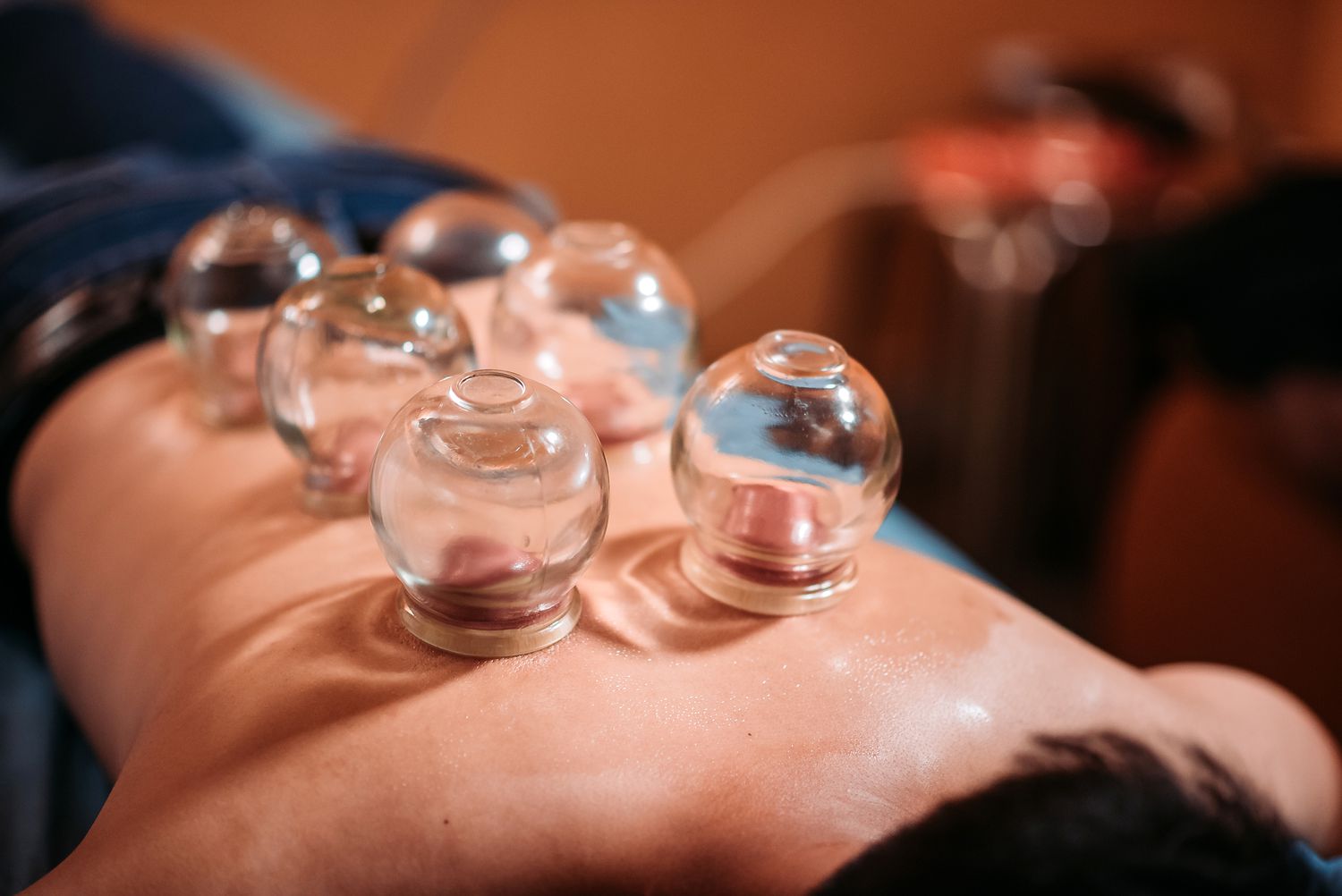
You may have noticed athletes walking around with circular-shaped bruises on their backs and shoulders and wondered what caused it and why they chose to inflict these marks on their person. These marks are a result of dry cupping treatment.
Cupping therapy is a therapeutic technique with a history dating back thousands of years, originating as a Middle-Eastern or traditional Chinese medicine. It has predominantly been used as it is believed to improve blood flow and reduce pain.
This approach involves the strategic placement of specially designed cups on the skin to create suction in the area. Dry cupping therapy is most often done using silicone cups, though practitioners may also use glass or plastic cups.
Who performs cupping therapy?
A variety of people may use cupping to facilitate pain relief. At Adam Wilkey Chiropractic, chiropractors and sports therapists may use this therapy as part of their massage therapy approach. Other professionals who may use this alternative therapy are:
- acupuncturists
- massage therapists
- physical therapists
- doctors
- chiropractors
- medical doctors
- cupping therapist
Ultimately, the belief in a traditional method of treatment by using an ancient healing technique, along with experience of cupping therapy’s effectiveness, may lead to many practitioners using this as a part of their treatment.
How does cupping therapy work?
The principle behind cupping therapy is to stimulate circulation, alleviate muscle tension, and reduce inflammation. When the cups are placed on the skin and the air inside the cup is removed, a vacuum is created, which causes the skin to be drawn into the cup. This suction effect not only mobilises local blood flow but also encourages the release of toxins and metabolic waste products trapped in the muscle tissues.
The cupping therapist will begin by arranging the cups in appropriate places and creating the suction using modern cupping tools. The suction they create will depend upon your preference and needs and can be placed with moderate or mild suction.
They will either leave the cups for the required amount of time or will use gliding movements, to move the cups up muscle lines. This is known as flash cupping. It can be especially helpful to promote lymphatic drainage, increase blood flow or promote cell repair.
What are the different cupping therapy techniques?
Dry
Dry techniques are the most common of the cupping techniques and are what you would generally expect to experience when undergoing cupping therapy. This is a low-risk therapy and is provided by many healthcare providers.
Wet cupping
Wet cupping is an alternative type of technique and is not as common within Western practice. Similar to dry, wet cupping creates a vacuum on the individual’s skin, yet in this instance, the skin is lacerated and the suction process helps to draw blood out, into the cup, in a controlled manner.
In both of these cases, cupping is believed to increase blood circulation and support healing.
Where will the cups be placed?
This will depend entirely on your condition and pain. As the cups are specifically designed for improved blood flow and pain management, your practitioner will place the cups in places where they recognise they can reduce pain, increase range of motion and support your immune function. Traditionally these are most often areas such as:
- Back
- Shoulders
- Chest
- Buttocks
- Legs
Is cupping therapy painful?
Dry cupping therapy can sometimes cause some discomfort, although it is generally described as a pleasurable procedure. Most individuals experience a sensation of gentle pulling and a feeling of tightness as the cups are applied and the skin tightens inside the cup. This is natural as it demonstrates the body’s resistance to having its skin pulled tight.
Normally, multiple cups are put in place for a predetermined period, usually several minutes, and then removed. If you were to experience pain during your session, your practitioner can ensure they create a milder suction to support you.
Does dry cupping bruise?
The circular marks, often described as “cupping marks,” result from the suction and typically range in colour from pink to deep red or even purple. Generally, these marks will leave within about a week. We would advise against cupping if you were planning on looking fresh for your upcoming beach holiday!
Who can benefit from dry cupping?
Many athletes and individuals incorporate dry cupping into their wellness routines due to its potential benefits. By enhancing blood circulation, it can help reduce muscle soreness, speed up recovery, and improve range of motion, nervous system functions and overall physical performance. It’s a great natural remedy for lower back pain, shoulder injury, neck pain and most other forms of musculoskeletal pain. It is also believed cupping is effective in controlling infection and enhancing the lymphatic system.
Cupping therapy may ease the symptoms of;
- Chronic back pain
- Migraines
- High blood pressure
- Anxiety of depression
Who shouldn’t have cupping therapy?
Whilst we see great results from cupping as a complementary medicine within our clinic, there are of course those who we would advise against using cupping as a treatment.
If you have any skin infection or conditions, such as wounds, burns or ulcers, you should avoid cupping until they are completely healed and you have received the all-clear from a medical professional. Additionally, those with internal organ disorders, or someone who has experienced recent trauma should avoid this treatment, or receive a medical perspective before treatment.
In all cases, a practitioner should discuss your personal history with you before any treatment.
Does dry dry cupping therapy work?
It’s worth noting the effectiveness of dry cupping can vary from person to person. Its value is often a matter of personal preference. Whilst we have had it in the clinic, it has been one of the preferred methods of treatment for our patients with people frequently stating how much they enjoy it!
As with many forms of alternative medicine, cupping is controversial. Whilst some academic studies have demonstrated the effectiveness of cupping in promoting wellness and healing, others have argued this is a result of the placebo effect. This means the belief in the treatment, by the patient, is the cause of improvement.
You can have a look at some of the studies on cupping in the following links:
https://www.ncbi.nlm.nih.gov/pmc/articles/PMC3289625/
https://www.sciencedirect.com/science/article/pii/S2005290117302042
Conclusion
If you’re considering dry cupping, why not give us a call at 0161 624 2106, or book online? If you’re concerned, simply drop us a message and we can ask one of our practitioners to give you a call about the process. They can provide a more in-depth understanding of the process, assess your specific needs, and help you determine if dry cupping is a valuable addition to your wellness regime.