

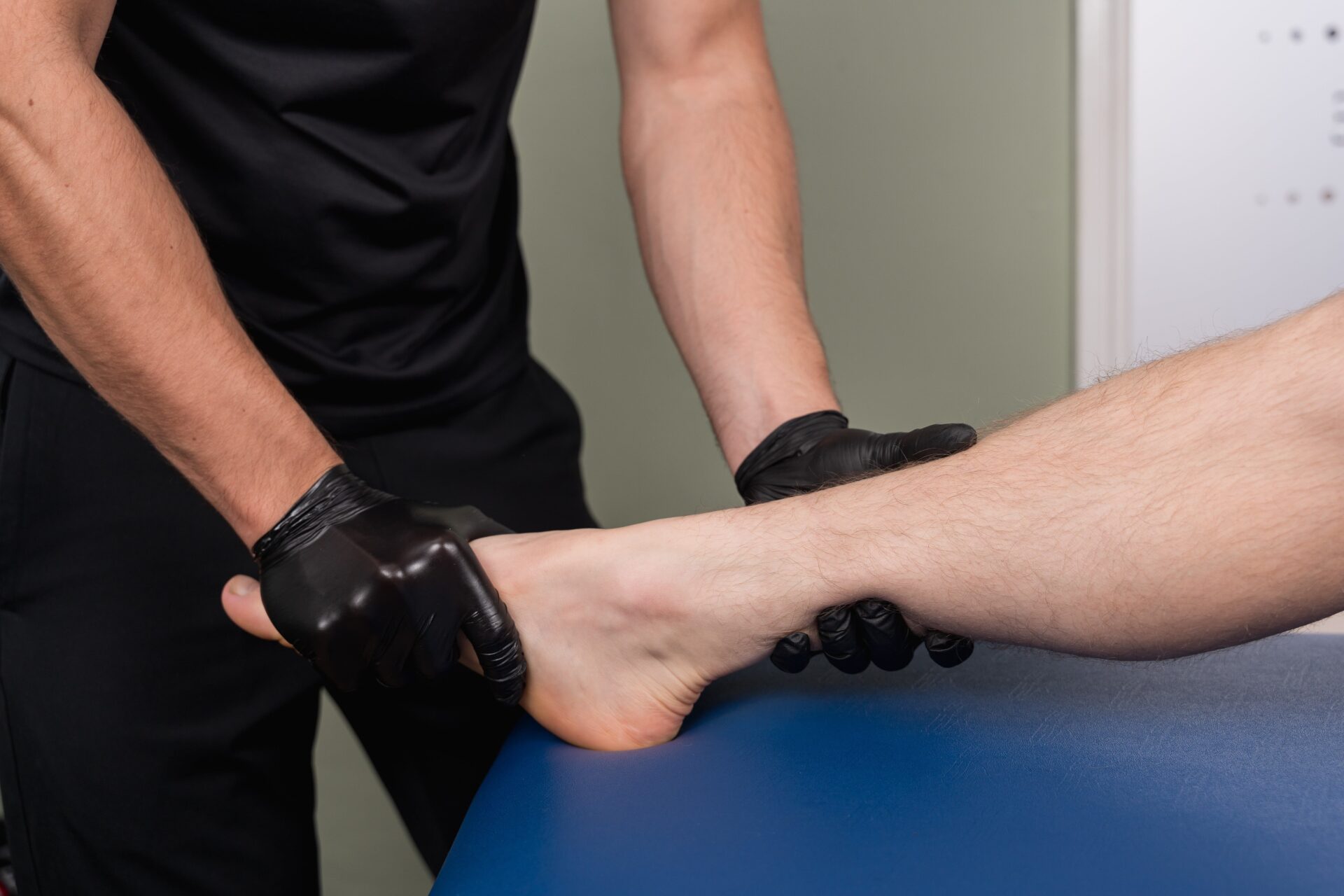
If you’re struggling with pain or tightness in your heel or lower calf, you may be experiencing Achilles tendinopathy — a common overuse injury that affects the tendon connecting your calf muscles to your heel bone.
At Align Chiropractic & Physiotherapy, we specialise in helping people recover from tendon injuries through targeted physiotherapy, rehabilitation, and hands-on treatment techniques that restore strength, flexibility, and function — without invasive procedures or long-term medication.
Understanding Achilles Tendinopathy
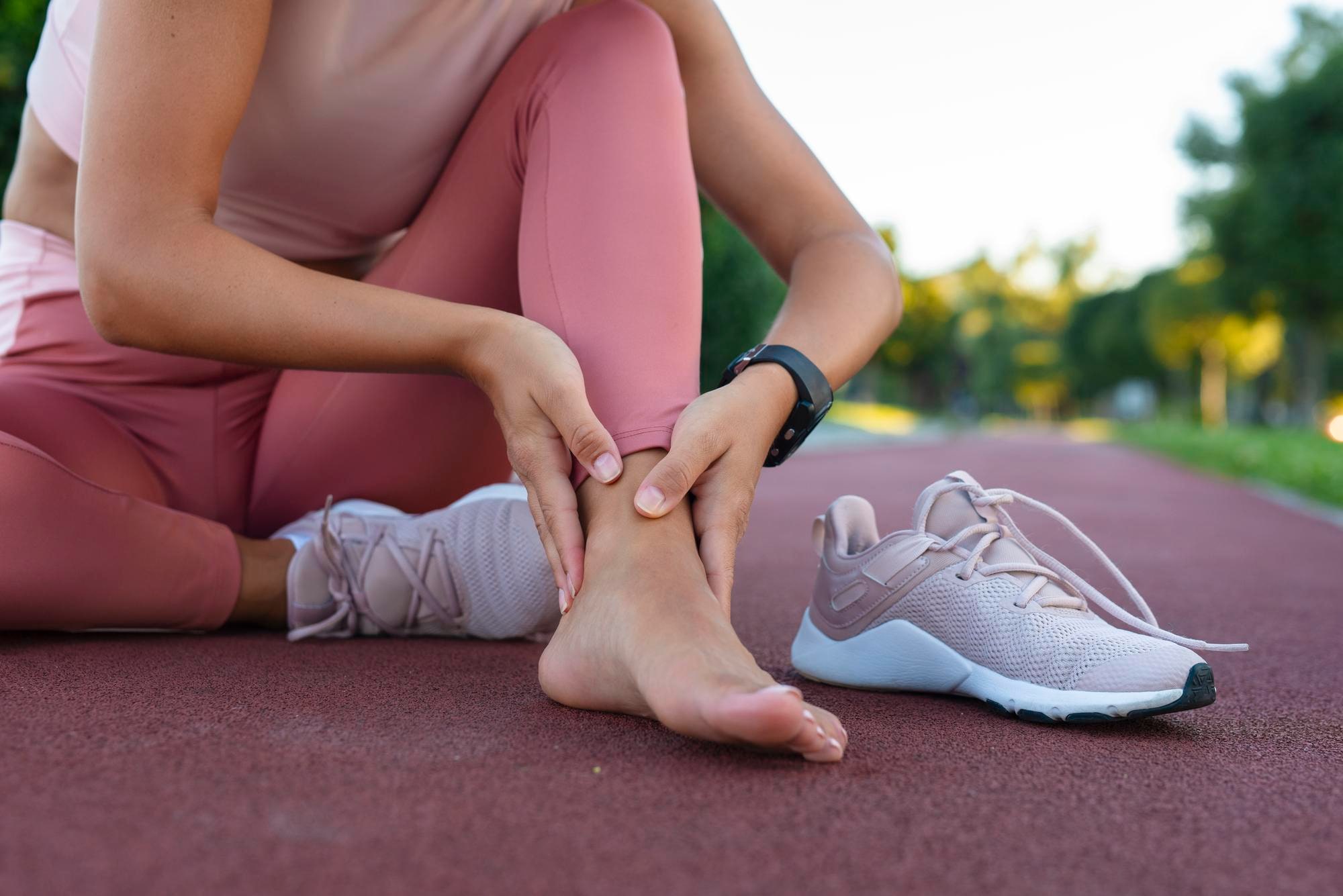
The Achilles tendon is the strongest tendon in the body, but it’s also under constant load. Repetitive strain, poor biomechanics, or sudden increases in activity can cause the tendon fibres to degenerate or become inflamed, leading to stiffness, pain, and swelling.
Achilles tendinopathy often develops gradually and can affect:
- Runners, walkers, or athletes who increase training intensity suddenly
- People with tight calf muscles or poor footwear support
- Those with altered gait or posture, putting uneven stress on the tendon
- Middle-aged adults who are active but may have reduced flexibility or recovery capacity
Typical symptoms include:
- Pain or tenderness just above the heel
- Morning stiffness in the tendon or ankle
- Swelling or thickening around the tendon
- Pain that worsens during or after activity
Physiotherapy for Achilles Tendinopathy
Physiotherapy is the cornerstone of effective recovery from Achilles tendinopathy. At Align, our physiotherapists create tailored treatment plans that focus on both pain reduction and long-term tissue healing. Your rehabilitation plan may include:
1. Targeted Exercise Therapy
- Eccentric loading exercises to strengthen the tendon gradually and promote proper healing.
- Stretching routines to restore calf flexibility and prevent re-injury.
- Balance and stability training to improve lower-limb control and coordination.
2. Manual Therapy
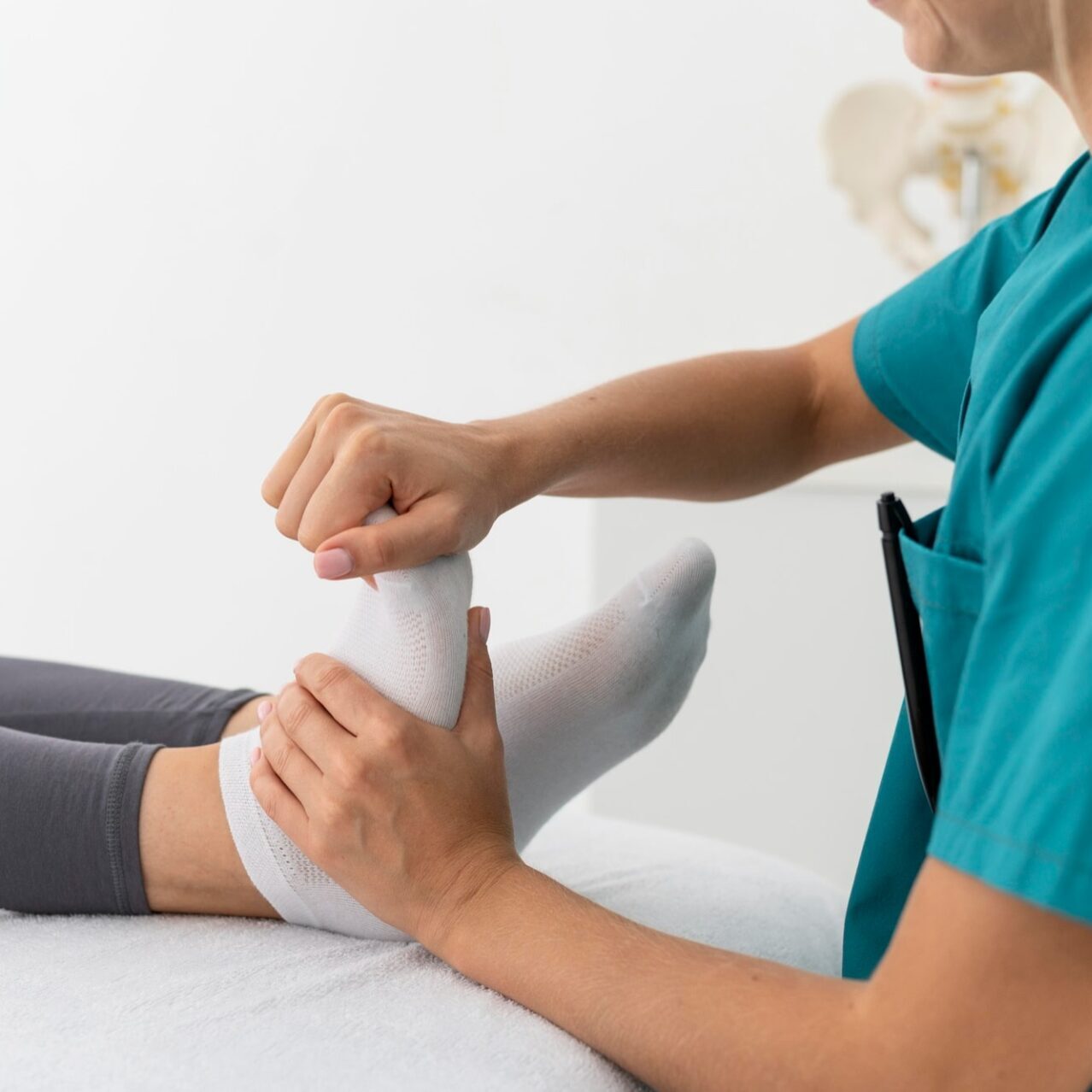
Hands-on treatment such as soft tissue massage, myofascial release, or joint mobilisation can help relieve tightness and improve circulation to the affected area, supporting tissue repair.
3. Shockwave or Acupressure Techniques
In some cases, shockwave therapy or acupressure-style stimulation is used to promote healing and reduce pain by encouraging fresh blood flow to the tendon tissue.
4. Posture and Movement Correction
Physiotherapists assess your gait, posture, and biomechanics to identify contributing factors such as flat feet, leg length discrepancies, or improper running technique — ensuring long-term improvement, not just symptom relief.
The Role of Chiropractic and Complementary Care
Although physiotherapy is central in treating Achilles tendinopathy, chiropractic care and complementary therapies can enhance recovery.
- Chiropractors may help correct lower-limb or spinal alignment issues that affect how weight is distributed through the ankles and knees.
- Acupressure and reflexology techniques can reduce muscle tension, improve circulation, and ease compensatory strain in the calves and feet.
This integrated approach ensures all aspects of your body’s movement and function are addressed — for a faster, more complete recovery.
Book Your Appointment
If you’re experiencing Achilles pain or stiffness, early intervention is key to recovery.
Our experienced clinicians can help you rebuild strength, restore mobility, and get back to the activities you love — safely and effectively.
Call 0161 624 2106 or
Book online for your consultation at Chadderton or Whitefield.
Take your first step toward stronger movement, less pain, and lasting recovery with Align Chiropractic & Physiotherapy.
Frequently Asked Questions
How do I book a Chiropractic appointment?
Whether you’re suffering from back pain, postural strain, or chronic tension, chiropractic care can help restore comfort and confidence in your movement. Call 0161 624 2106 or Book online to arrange your consultation in Chadderton or Whitefield.
What should I expect at the initial consultation?
Your first session at Align Chiropractic & Physiotherapy includes a comprehensive consultation and assessment.
We’ll:
- Take a detailed history of your symptoms and activity levels.
- Perform a biomechanical and movement assessment.
- Discuss your diagnosis clearly and explain how we can help.
- Develop a personalised plan of treatment and home exercises.
Most patients begin to notice improvements in pain, flexibility, and confidence in movement within just a few weeks of consistent physiotherapy.