


Frozen shoulder syndrome, or adhesive capsulitis, is a painful and often debilitating condition. Despite its name, it has nothing to do with temperature — it refers to the stiffness, inflammation, and limited movement of the shoulder joint that can affect daily activities.
Types and Risk Factors
There are two main types of frozen shoulder:
- Primary: develops without a clear cause
- Secondary: follows trauma, surgery (including shoulder operations or breast reconstruction), or prolonged immobility
Certain factors increase the likelihood of developing a frozen shoulder:
- Diabetes or Dupuytren’s contracture
- Age 40–70 years, more commonly in women (60:40 ratio)
- Possible hormonal, postural, autoimmune, or genetic influences
Without intervention, frozen shoulder can last for months or even years, but early and targeted treatment can significantly reduce recovery time.
Stages of Frozen Shoulder
Frozen shoulder progresses through four stages:
Pre-freezing stage (0–1 week):
mild discomfort, subtle loss of motion
Freezing stage (1–8 months):
increasing pain and gradual stiffening
Frozen stage (9–16 months):
significant stiffness, limited range of motion
Thawing stage (12–40 months):
slow return of mobility and function
It’s uncommon to experience frozen shoulders in both arms at the same time, although 15–20% of patients may develop it in the opposite shoulder. Misdiagnosis is common, as several other shoulder conditions can cause similar symptoms.
Why the Shoulder Becomes Frozen
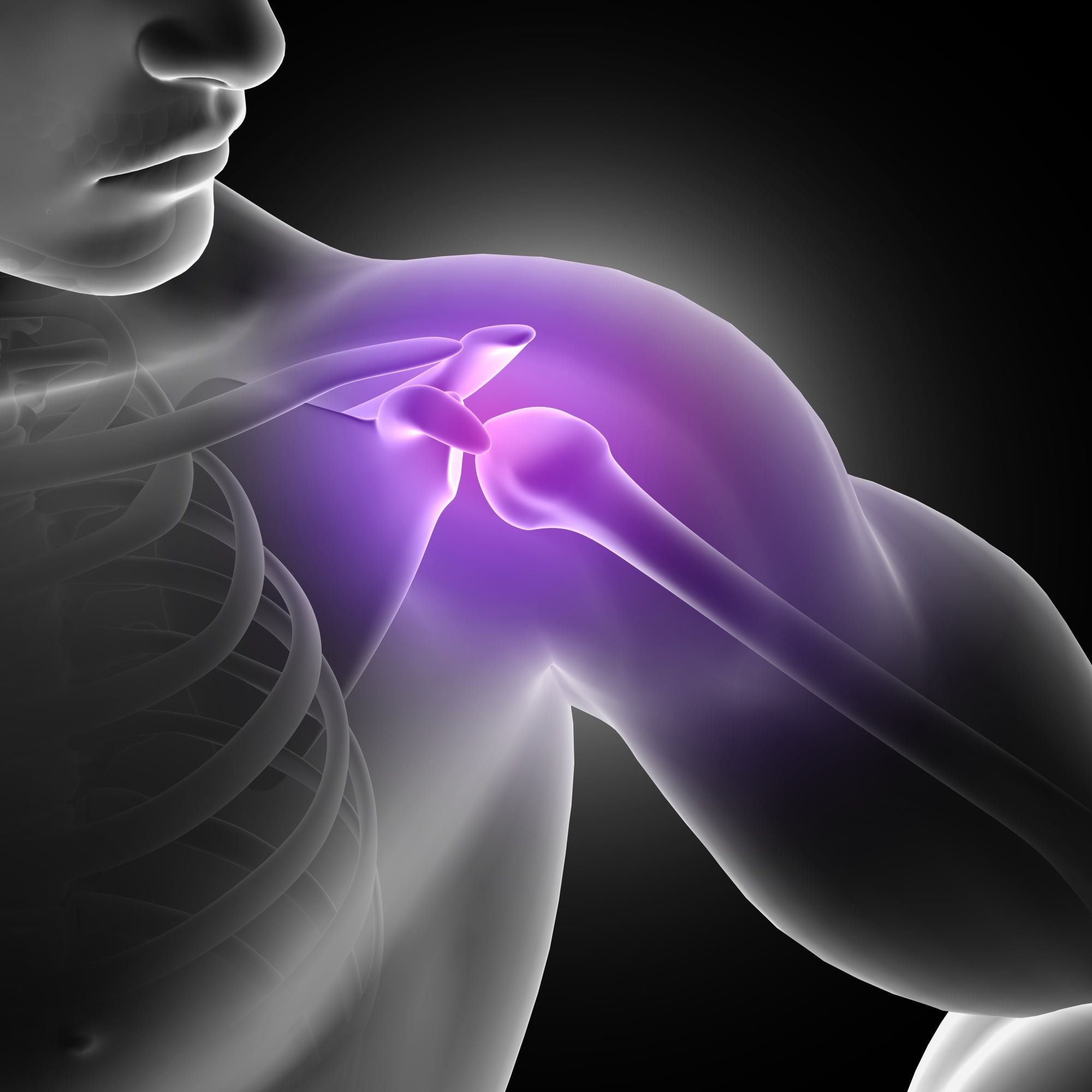
The shoulder joint is surrounded by a flexible capsule. In frozen shoulder, this capsule becomes inflamed and sticky, forming adhesions that reduce elasticity.
- The inflammation can spread to surrounding tissues, including bursae and muscles
- Overreaction of the nervous system can cause muscles to “switch off,” becoming weak and stiff
- Rotator cuff muscles may gradually waste, limiting the ability to lift or move the arm
These changes often lead to pain, restricted motion, and difficulty performing everyday tasks.

Chiropractic Care for Frozen Shoulder
Chiropractic treatment focuses on reducing inflammation, restoring joint mobility, and retraining muscles and nerves.
At Align Chiropractic & Physiotherapy, we use:
- Gentle joint mobilisation and spinal adjustments to restore motion
- Soft tissue therapy to relax tight muscles and relieve pain
- Neuromuscular re-education to improve coordination and muscle function
- Guidance on posture and movement to prevent further restriction
Chiropractic care treats the root cause of stiffness and pain, rather than simply masking symptoms.
Physiotherapy for Frozen Shoulder
Physiotherapy is an essential component of recovery, particularly for regaining strength, flexibility, and functional use of the shoulder.
Treatment may include:
- Targeted stretching and mobility exercises to increase range of motion
- Strengthening routines for rotator cuff and shoulder stabilisers
- Manual therapy to release tension in muscles and soft tissues
- Functional training to support everyday activities and prevent recurrence
Combining chiropractic care with physiotherapy accelerates recovery and helps patients regain independence and confidence in movement.
Book Your Appointment
If you’re struggling with shoulder pain or stiffness, early intervention is key. Our experienced clinicians can help relieve pain, restore movement, and support long-term shoulder health through chiropractic and physiotherapy care.
Call 0161 624 2106 or
Book online for your consultation at Chadderton or Whitefield.
Take the first step toward reduced pain, improved function, and a fully mobile shoulder with Align Chiropractic & Physiotherapy.
Frequently Asked Questions
How do I book a Chiropractic appointment?
If you’re struggling with shoulder pain or stiffness, early intervention is key. Our experienced clinicians can help relieve pain, restore movement, and support long-term shoulder health through chiropractic and physiotherapy care. Call 0161 624 2106 or Book online to arrange your consultation in Chadderton or Whitefield.
What should I expect at the initial consultation?
At your first consultation, we’ll:
- Discuss your symptoms and medical history in detail
- Carry out a full musculoskeletal and neurological assessment
- Explain your diagnosis and what’s causing your pain
- Develop a personalised plan that may include chiropractic care, physiotherapy, and guided Pilates-based exercise
Our focus is always on safe, effective, and sustainable recovery.