

Ah, the infamous lower back pain! It’s a real pain in the…well, lower back!
If you’re someone who experiences bouts of chronic pain which disrupt your night and provide you with constant reminders of your aches throughout the day, you are not alone.
Chronic low back pain affects millions
Back pain affects millions of people worldwide and is the leading cause of disability within the UK. In fact, in 2016, the NHS reported chronic low back pain accounted for over 11% of the total disability within this population.
How lifestyle can lead to back pain
According to leading experts, 90 per cent of us will experience at least one bout of back pain in our lifetimes. This is because our lifestyles are not designed to encourage good posture or regular activity.
Jobs which encourage extended periods sitting at desks, weekdays with inactivity, followed by weekends of high-intensity exercise, being overweight, or increases in stress can all be common reasons for this. Indeed, we find as a result of this lifestyle or the monotonous daily activities we encounter, muscle tension increases and the deep muscles, such as hip flexors or trunk muscles can be neglected, resulting in increased back pain in the population.
As a chiropractic clinic, we want to ensure you are informed about some of the best, natural ways to relieve pain. Often the benefits go far beyond pain reduction.
Relieve pain with complementary therapy
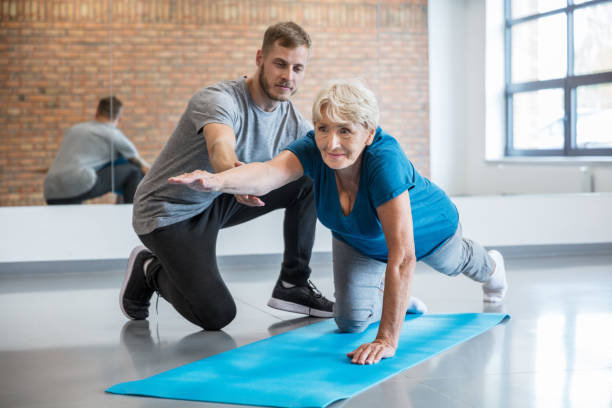
One of the best complementary therapies we recommend is Pilates exercise. Developed by Joseph Pilates in the early 20th century, Pilates (often mistaken for Yoga) is a low-impact exercise program, full of simple exercises focusing on building core muscle strength and improving flexibility.
Pilates can be modified for anyone to participate, regardless of current fitness levels or abilities. Here are 4 ways regular Pilates practice can benefit those experiencing chronic back pain.
1# Strengthening the Core Foundation
Building a strong foundation is key to supporting your lower back and reducing pain. Clinical Pilates places a strong emphasis on core strengthening, targeting deep abdominal muscles such as the transverse abdominis and multifidus. These powerhouse muscles stabilise the lumbar spine and reduce strain on the lower back.
Pilates also places a strong emphasis on engaging the pelvic floor, a group of muscles that support the bladder, bowels, and uterus, by emphasising controlled movements and breathwork activate and strengthen these deep muscles. Strengthening the pelvic floor enhances core stability, improves posture, and reduces the risk of injuries, providing a solid foundation for overall body strength, health, and function. This is particularly important for individuals suffering from discomfort or immobility around the pelvis, hips or lower spine.
Through purposeful Pilates exercises, individuals can cultivate core strength, promote optimal spinal alignment, and experience a noticeable reduction in low back pain.
2# Embracing Spinal Mobility
Limited spinal mobility can contribute to low back pain. Pilates exercises incorporate many movements that promote spinal mobility and flexibility. The controlled, flowing motions in Pilates help combat stiffness in the lower back, increase joint range of motion, and alleviate pain associated with muscular imbalances. A systematic review completed in 2016 found there was strong evidence Pilates-based movement helped to reduce low back pain when performed for a cumulative 20 hours.
By embracing Pilates’ emphasis on fluid movements, especially in muscles such as the hip flexors and trunk, you could bid adios to rigidity and welcome the freedom of a more agile spine.
3# Postural Alignment
Improving posture plays a pivotal role in alleviating lower back pain. Pilates encourages correct alignment of the spine and postural awareness, enabling individuals to develop healthier habits during their sessions and in daily life. The National Institute of Health and Care Excellence suggests Pilates is a helpful tool in alleviating the suffering or negative symptoms individuals feel as a result of poor postural alignment.
By focusing on spinal alignment, Pilates alleviates undue pressure on the lower back, prevents excessive strain, and ultimately reduces pain. Imagine strolling through the vibrant streets of Greater Manchester with a renewed sense of poise and comfort!
Whilst Pilates often focuses on areas such as the trunk, spine, hips, and pelvis, numerous exercises contribute to effective posture by providing support for other areas of the body, such as the legs, arms, head, and shoulders. By focusing on these areas, Pilates exercise can ensure your body is more completely cared for. Leg strength, shoulder, or head position, and foot placement should all be important factors when considering effective posture and are critical factors as to why a physical therapist may advise patients to attend Pilates practice as a supplement to treatment.
4# Cultivating Mind-Body Harmony
Pilates places significant importance on the mind-body connection, fostering heightened awareness of movement and intentional muscle engagement. This mindful approach allows individuals to identify and correct movement patterns that may contribute to lower back pain. Whilst contemporary medicine often focuses on physiological treatment, there is a growing awareness and acceptance of psychological contributors to pain. Increasing the awareness of mind-body connections is one of the primary reasons we are now frequently recommending Pilates to patients within our clinics.
By cultivating a stronger connection through Pilates practice, individuals gain greater control over their movements, reducing the risk of further ailments and experiencing long-term pain relief.
What Pilates exercises can help relieve back pain?
If you are currently experiencing chronic low back pain, then your first point of contact would be to contact a professional for an assessment to rule out issues such as degenerative disc disease.
A chiropractor or physical therapist would be able to help you determine the cause of the issue by discussing your symptoms and carrying out an analysis.
Once you have been given the green light, you may want to start by incorporating some exercises into your daily routine. Below are three simple exercises which are helpful if you would like to reduce pain.
- Begin on your hands and knees in a tabletop position, with your spine in a neutral position
- As you breathe in, curve your spine down and lift your sit bones upward, press your chest forward and allow your belly to sink
- Lift your head, relax your shoulders away from your ears, and keep your gaze forward
- As you breathe out, round your spine upwards, tucking the tailbone, and drawing your pubic bone (the area around your pelvis and hips) forward
- Relax your neck and allow it to drop into a natural position, following the curvature of your spine
Exercise 2: Hamstring Stretch
- Lie on your back on a firm but comfortable surface
- Starting with one leg, bring your knee to your chest, ( you could use a towel or yoga strap around the ball of your foot, or interlace your hands behind your right thigh)
- Inhale and slowly extend toward the ceiling, straightening your leg as much as possible with your foot flexed, holding for a few seconds
- Slowly lower your leg back to the starting position and repeat the steps on your other side
- As your hamstrings and legs become more flexible, keep the non-stretching leg straight on the floor
- Move gently to avoid injury, breathe deeply throughout, and don’t force your leg to straighten completely if it causes discomfort
Exercise 3: Knees to chest
- Lie on your back on a firm but comfortable surface. Bend one knee, bring it to your chest, and hold it with your hands
- Keep your leg long, actively reaching it away from your body. (If you have tight hip flexors, your opposite leg may roll out or lift off the floor; aim to keep it heavy and both knees parallel)
- Hold for ten breaths
- Straighten your leg back to the starting position, then repeat on the other side
- As you grow in confidence, try this with both knees, maintaining your hip position on the floor
Benefits of Pilates exercises
There are many reasons Pilates will benefit you, especially if you are experiencing lower back pain. To summarise, here are some key reasons:
- Regular Pilates strengthens core muscles
- Pilates practice increases your awareness of proper posture and counteracts postural imbalances
- Pilates helps to encourage spinal mobility
- Pilates exercises encourage a mind-body connection, increasing awareness and control of your body through combining breathing and movement
These are just some of the benefits you may experience through conscious and consistent practice of Pilates.
How long will it be before I feel the benefits of Pilates exercises?
It should also be noted that unfortunately for us humans, nothing comes easily or immediately. To experience these benefits over time takes consistent practice and patience. We would also always recommend you seek help from an experienced professional who can help you through this process.
Joseph Pilates, the founder of Pilates (previously named Contrology) once stated, “In 10 sessions you will feel the difference, in 20 you will see the difference, and in 30 you’ll have a whole new body.”
Where can I find more information?
If you’ve experienced back pain and want to understand how Pilates may be able to help you, don’t hesitate to get in touch with our clinic, check out our ‘Self-Help’ video page, or even better, book a class at our new Grounded Pilates and Yoga studio in Oldham. Together, with Pilates, let’s wave goodbye to pain in the…lower back!